




OWNER CARE / DRIVETRAIN
Why Derailleur Hangers Bend or Break, and What to Do
What this small part does, warning signs to watch for and how to get help.

A sudden change in shifting deserves attention. If the rear gear mechanism looks bent, hangs loose or moves towards the spokes, stop riding and have it checked.
On bikes with a replaceable rear derailleur hanger, this small part can be involved. Here is what it does, what to look for and how to get help.
What is a derailleur hanger?
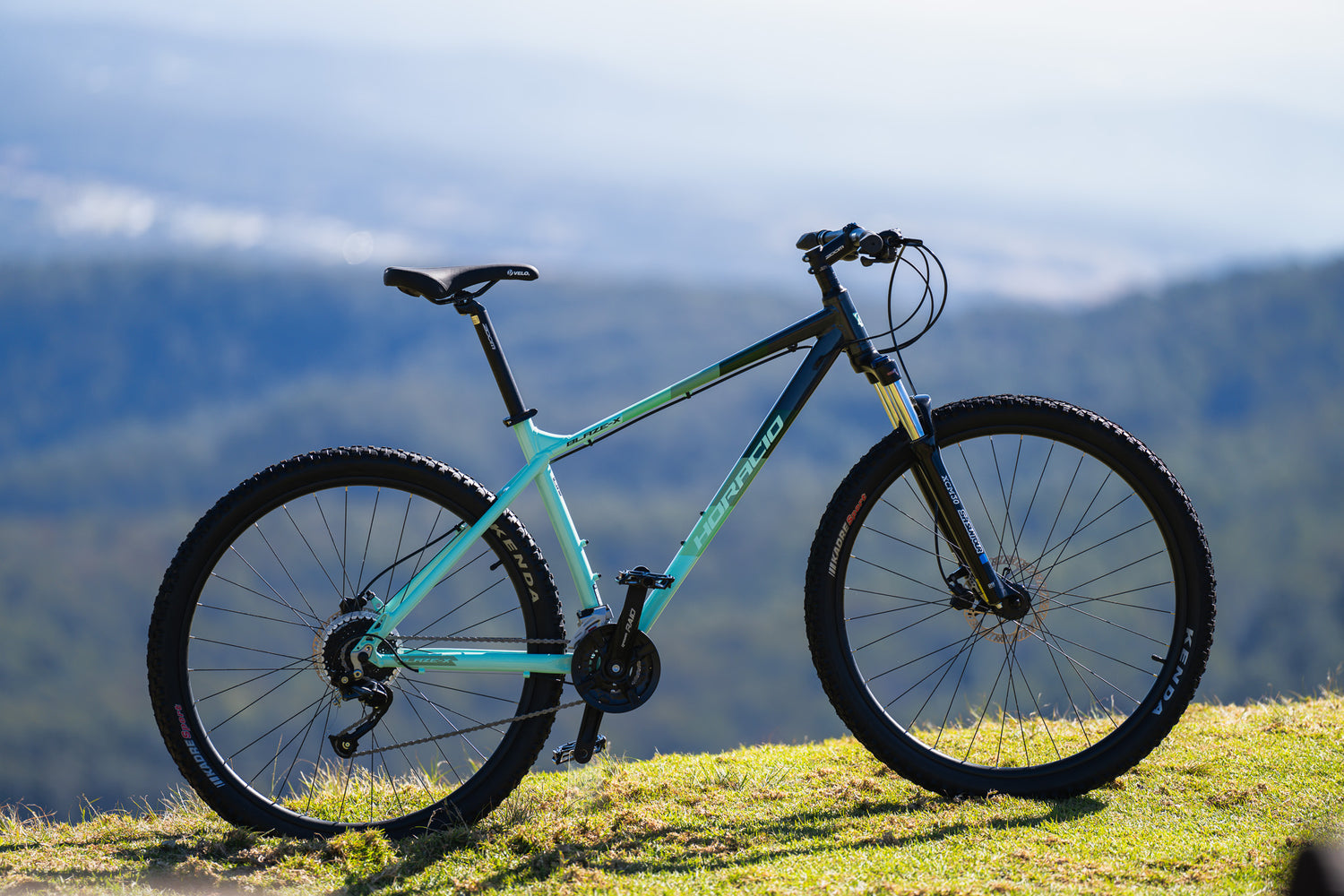
The hanger connects the rear derailleur — the mechanism that moves the chain between the back gears — to the frame.
It helps hold the derailleur in the correct position for shifting. It is also designed to give way under some impacts, reducing the risk of damage to more expensive parts. You may hear it called a “sacrificial part”.
That protection has limits. A bent or broken hanger does not guarantee that the frame, derailleur or wheel has escaped damage.
Why can it bend or break?
A fall onto the gear side, a knock during transport or contact with an obstacle can load the hanger. Previous bending or repeated attempts to straighten it can also weaken it.
Sometimes the first obvious sign is poor shifting rather than a visible bend. A mechanic may need an alignment tool to identify the problem.
Bending or breakage alone does not establish why it happened. A suspected material, manufacturing or original assembly problem also needs assessment.
Early signs to watch for
- Gear changes become slow or unreliable, particularly after a knock.
- The chain skips or rubs in certain gears.
- The rear derailleur looks tilted or unusually close to the spokes.
- You hear new scraping or contact around the rear wheel.
Other problems can cause similar symptoms. Do not keep riding to see whether a suspected damaged hanger will improve, especially if anything is loose or close to the spokes.
What to do if you suspect damage
- Stop riding. Do not force the pedals, shift through the gears or turn the wheel if the chain or derailleur is caught. Arrange transport without forcing damaged parts to move.
- Record what you can safely see. Take clear photos of the whole bike, the rear gear mechanism and any damaged parts while everything is stationary. Note when the problem started and keep the affected parts.
- Avoid improvised repairs. Do not pull the derailleur straight by hand or turn adjustment screws at random. Gear adjustment cannot compensate for a bent hanger.
- Have the bike inspected. A mechanic can measure hanger alignment and decide whether a bent hanger can be safely aligned or needs replacing. A cracked or broken hanger needs replacement.
The inspection should also cover the derailleur, its cage and jockey wheels, the chain and the rear wheel spokes. Replacing the hanger alone may not address related damage.
Hangers are not universally interchangeable. Confirm the correct replacement for your frame, model and year, then have alignment and gear settings checked before riding again.
How does warranty apply?
Horacio’s voluntary warranty covers applicable defects in materials and workmanship, subject to our warranty policy.
Damage confirmed to have been caused by an impact, accident or another excluded cause is generally outside that cover. Routine gear adjustment is also different from assessing a suspected defect.
If you suspect a material, manufacturing or original assembly issue, contact us so we can assess it. We may need photos, further information or an inspection to understand the cause.
If you would like Horacio to cover repair costs, contact us before authorising paid work. This process does not limit your rights under the Australian Consumer Law, and this article does not reduce any warranty promise made when you bought your bike.
Reducing the chance of damage
Avoid resting the bike on its rear derailleur, protect that area during transport and investigate changes in shifting promptly. Follow your bike’s instructions and arrange a check after a knock if anything seems wrong.
For everyday care, see Bike Maintenance for Beginners.
Need help? Contact our team with your bike model, order reference and clear photos. If you are unsure whether the bike is safe, leave it unridden while you seek advice.